Paroli
Final Master Thesis | 4th master semester
Project in collaboration with Philips Design
The high peri-natal death rate (around 6,3 million perinatal deaths per year in 20061) and the bad ranking of the Netherlands compared to other European countries (with a fetal death rate of 5,7 per 1000 births only 5 countries had a higher rate in 20102), confronts designers with a complex challenge.
In order to tackle the local effects of societal challenges like this, designers have to address the problem on a systemic level, taking into consideration the different stakeholders involved. However, the ever stronger link between people, governments and institutions across national borders furthermore creates a new net of interdependencies, which asks for a rethinking of the whole design process.
With my Final Master Project, which I did in collaboration with Philips Design, I approach the societal challenge imposed by the perinatal health state disparities in the Netherlands.
1 World Health Organization. (2006). Neonatal and perinatal mortality: country, regional and global estimates.
2 Zeitlin, J., Mohangoo, A. D., Delnorn, M., Alexander, S., Blondel, B., Bouvier-Colle, M. H., ... & Zhang, W. H. (2013). European Perinatal Health Report. The health and care of pregnant women and babies in Europe in 2010.

Throughout the pregnancy journey in the Netherlands, a pregnant women encounters many different stakeholders, which can include midwives, general practitioners, genealogists, obstetricians, etc. This can present challenges to vulnerable women (low socio-economic status, lack of education, low level of social integration, etc.).
After having analysed this problem context and having validated the challenge of confronting the inequities in perinatal health as a suitable context for this in my research semester, I continued this work in my Final Master Project.
The midwives, as the main contact person for expecting mothers, play a guiding role in their pregnancy journey. That's why, in this project I focused on expecting migrant women in the Netherlands and looked into how the interaction with their midwives can be supported, in order to uncover and overcome issues of communication and thus promote positive experiences.
Overview of context done in Research Semester (m1.2).
This moment of exchange is where I see the need and opportunity to explore how we can create value by supporting meaningful interpersonal exchange through introducing tangible interaction, in order to create a safe and positive pregnancy experience.
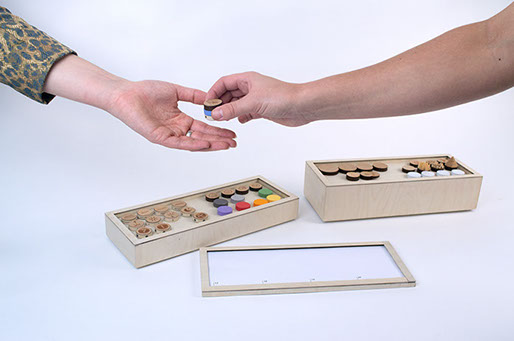
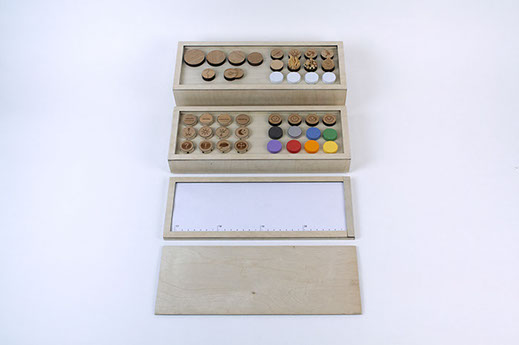
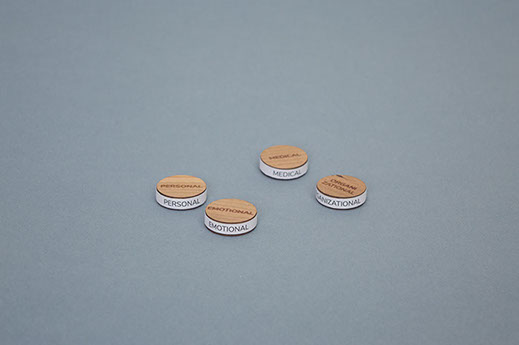
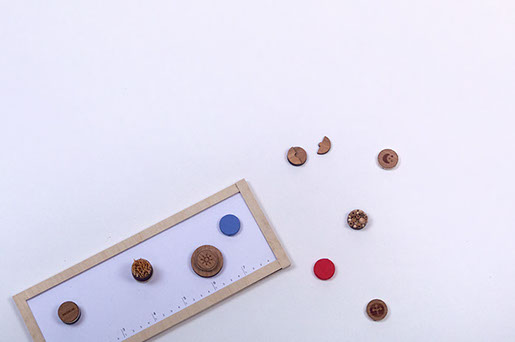
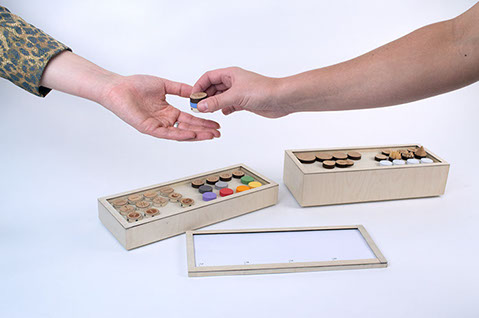
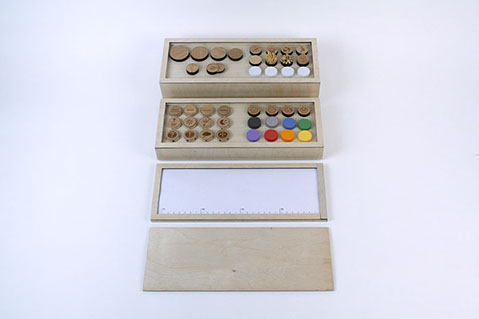
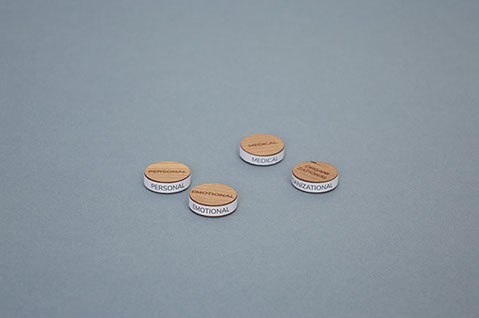
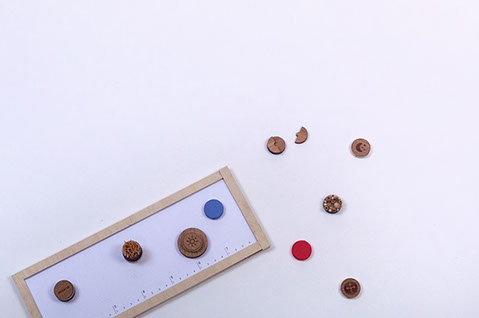
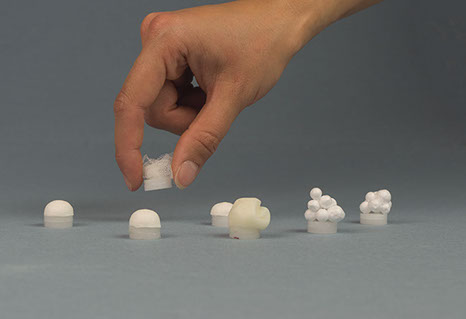
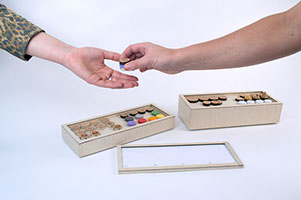
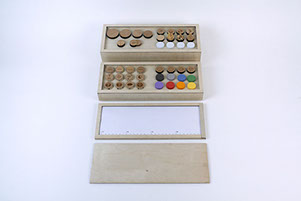
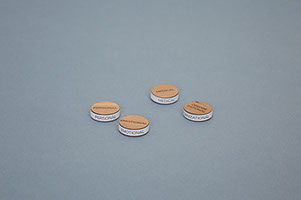
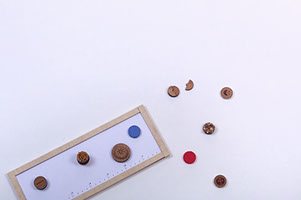
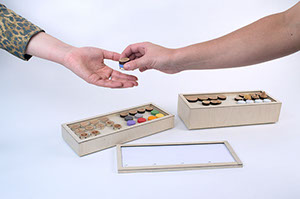
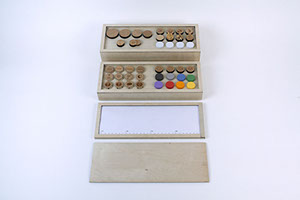
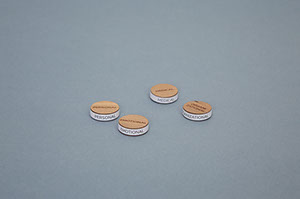
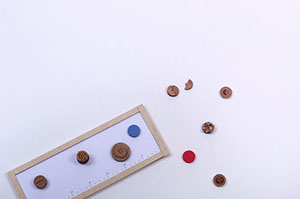
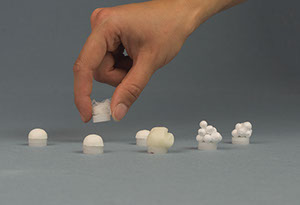
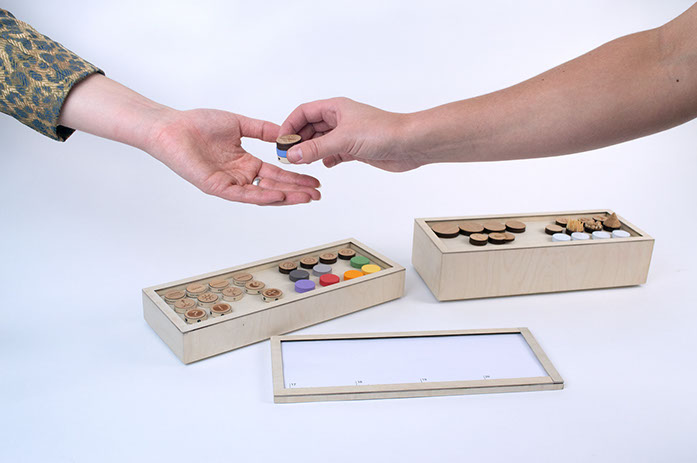
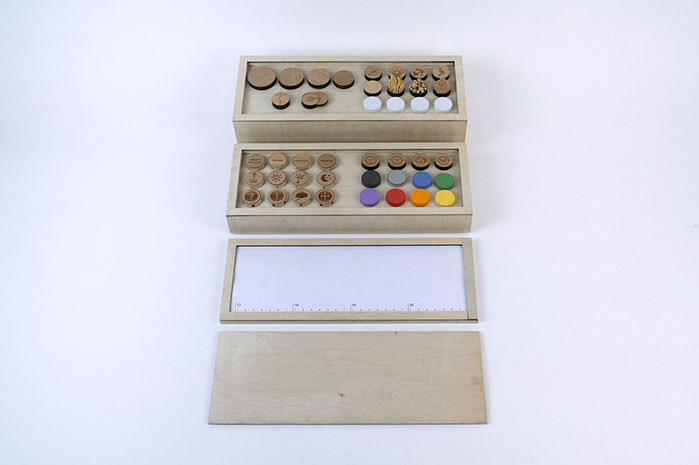
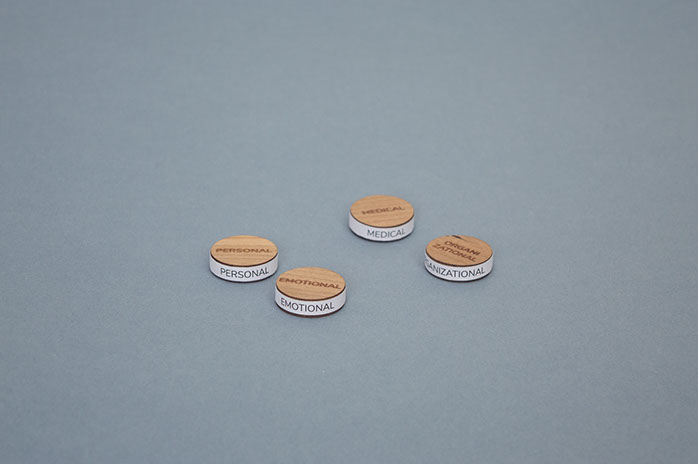
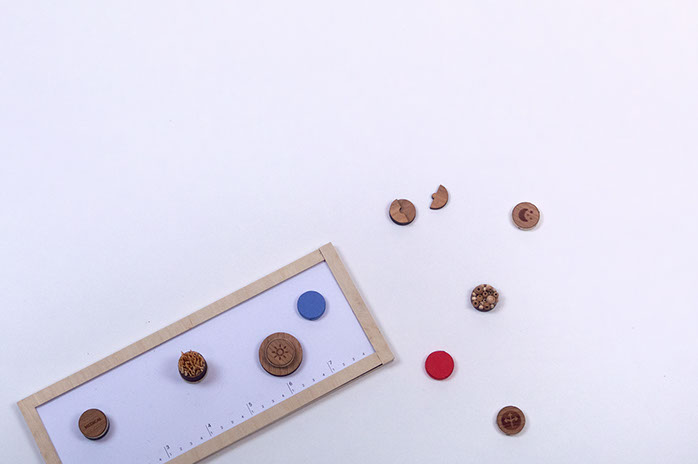
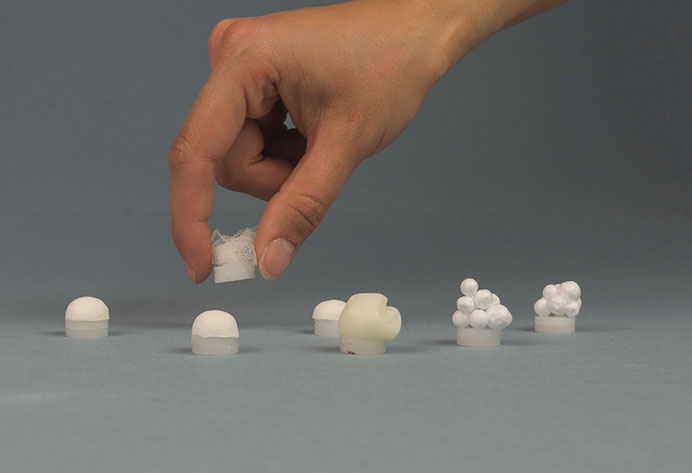
Paroli is a tangible interaction tool which has the goal of supporting expecting mothers in their communication with their midwives. It consists of an overview and tokens, which can be used to track and express things. This tool was designed as a research tool and aimed at gaining a deeper understanding of the situation and exploring future development possibilities.
Paroli provided an insight into the situation which expecting mothers have to face in the Netherlands and allowed to validate some previous hypotheses. It showed for example that women generally develop an appreciation for the Dutch Health Care system after their initial sceptical opinion. This is based on the appreciation of the natural approach, which at the same time transfers more responsibility over the process to the women themselves. This has been identified as a point at which conflicts can arise and which future interventions should address. The tool has also shown the potential of the possibilities of tracking events and having an process overview for supporting expecting mothers in their pregnancy experience. Some directions shown by this work have also been identified as potential by Philips and will be taken up on. To read more about this and the other insights found, please check the report for this project.
Presentation during Demo Day 2018 at the University of Technology Eindhoven.
Pictures taken by Twycer / fotografie voor bedrijven.
The most challenging moments for me during this project were the points along the process in which a shift was occurring. I believe that this happened either when the reciprocal influence of the micro, meso and macro level came into play and when a shift in perspective within these levels was necessary. This was challenging for me, as I lacked both own experience in designing for transformation, as well as exemplary tools or methods to tackle these shifts. As the first projects in this new paradigm are currently ongoing, there is no body of knowledge yet which designers could use as a guidance.
That’s why I believe that it is necessary that we, along with the projects for systemic change, also develop the methodologies for this, by describing and sharing our work. I think that thus a framework of how to navigate through the process of designing for transformation can slowly be built up.
Please check my reflection to find out more about what I've learned through this project.
In case you have ideas, questions or suggestions about how design for transformation can be tackled, please let me know! I'm looking forward to hearing your ideas!