group project | pre-master semester
developed further as part of Honors Academy Program
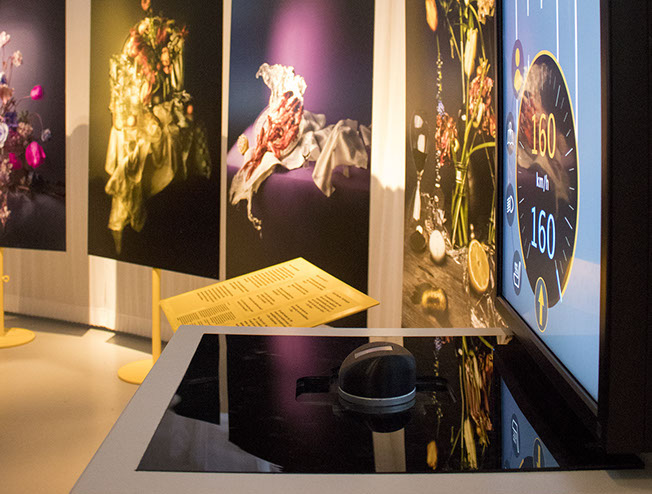
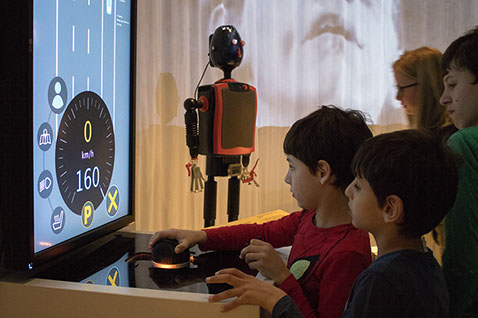
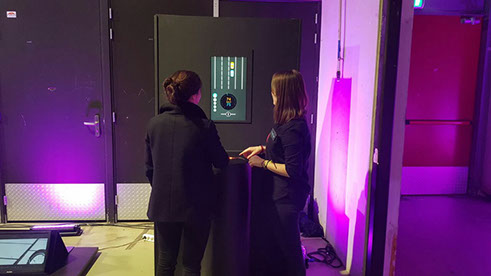
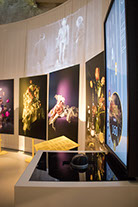
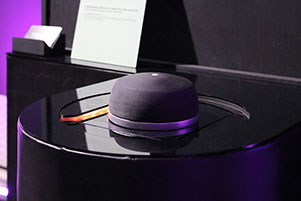
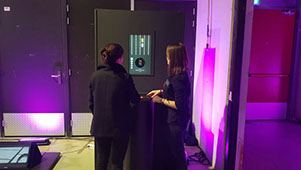
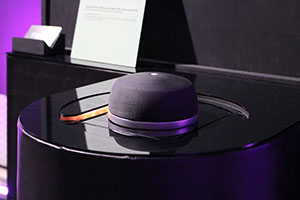
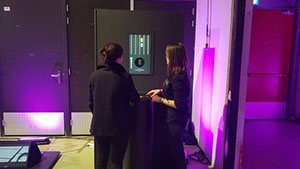
volo was exhibited at the Dutch Design Week 2017 as part of the 'Mind the Step' exhibition.
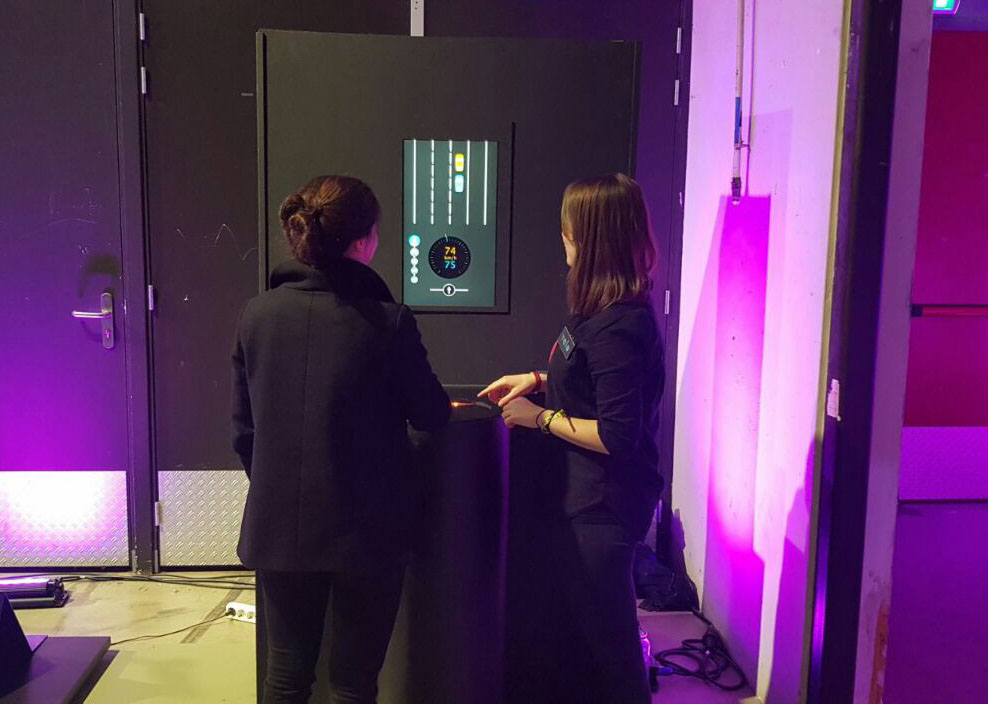
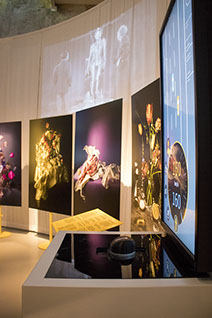
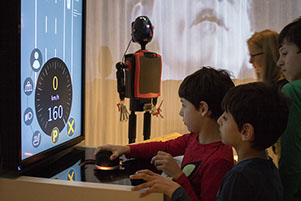
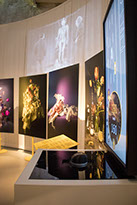
volo could also be seen in the Museum Twentsewelle, Enschede.
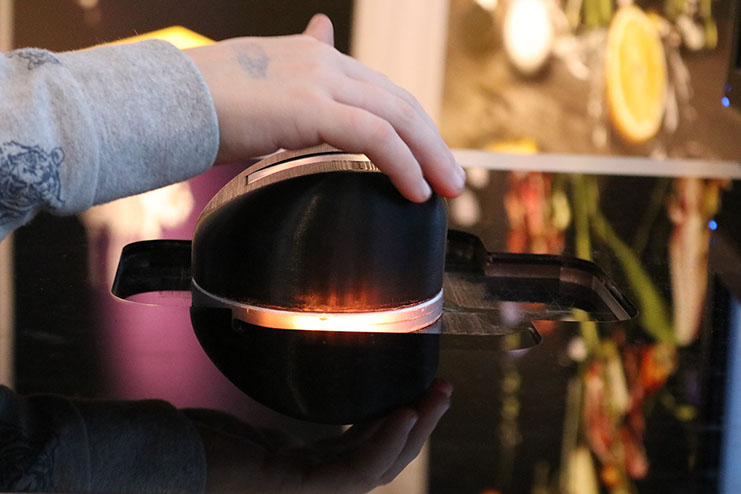
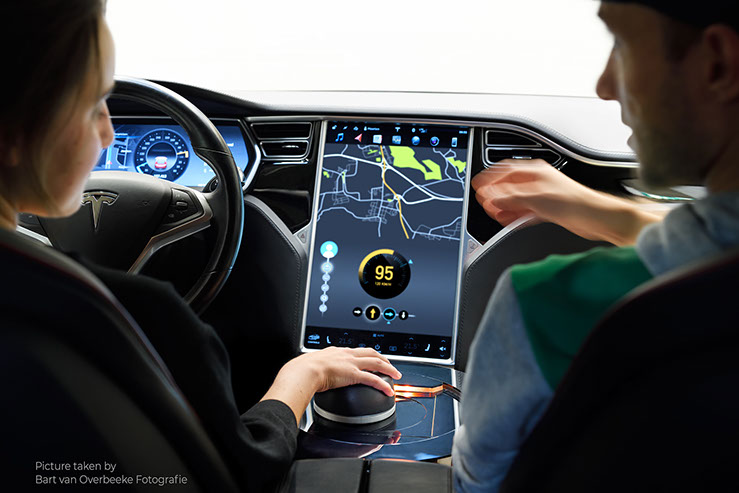
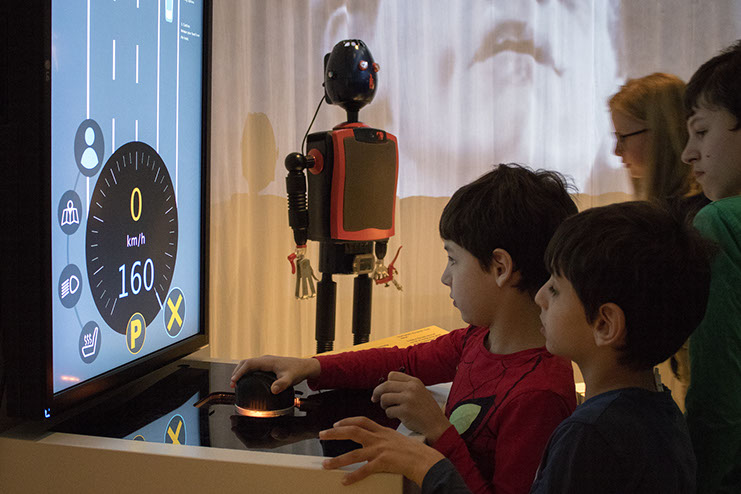
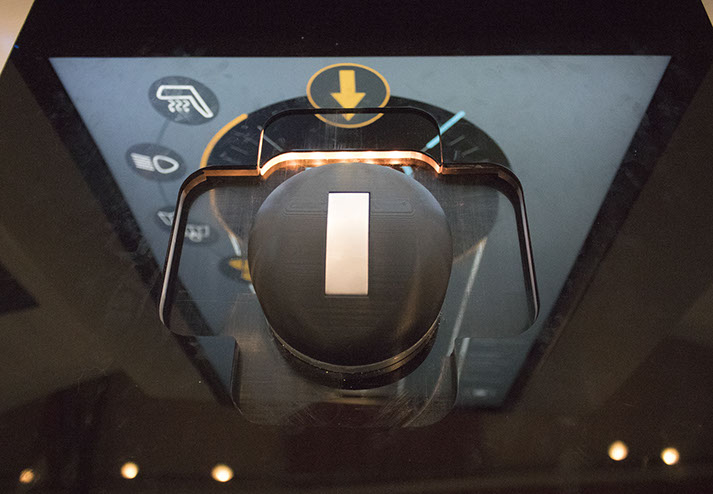
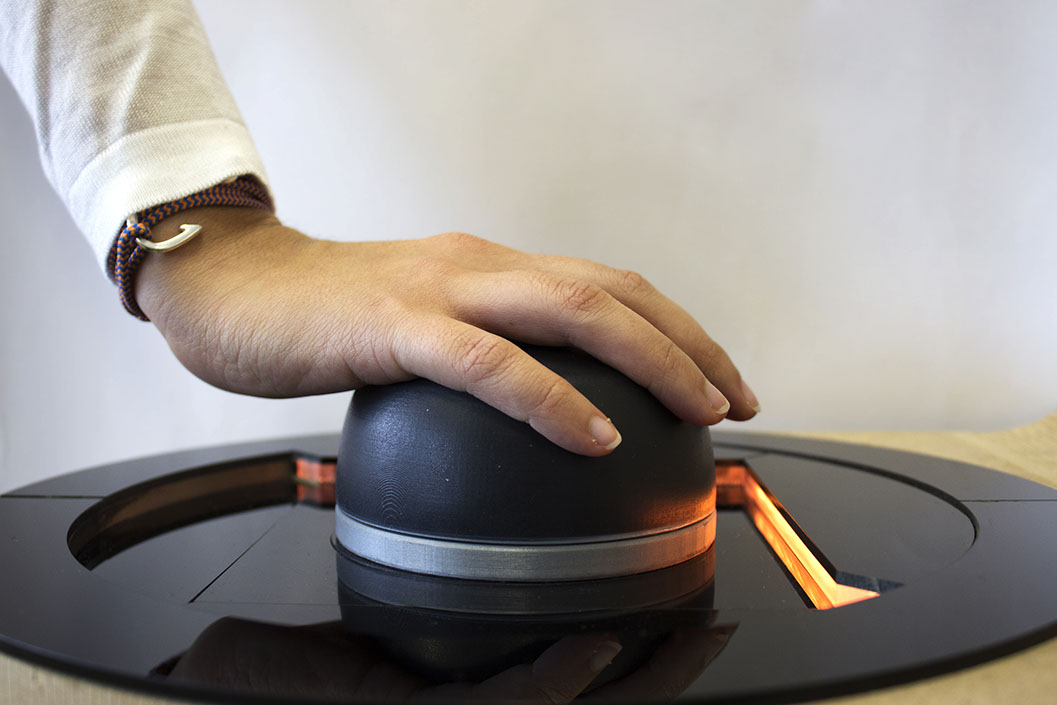
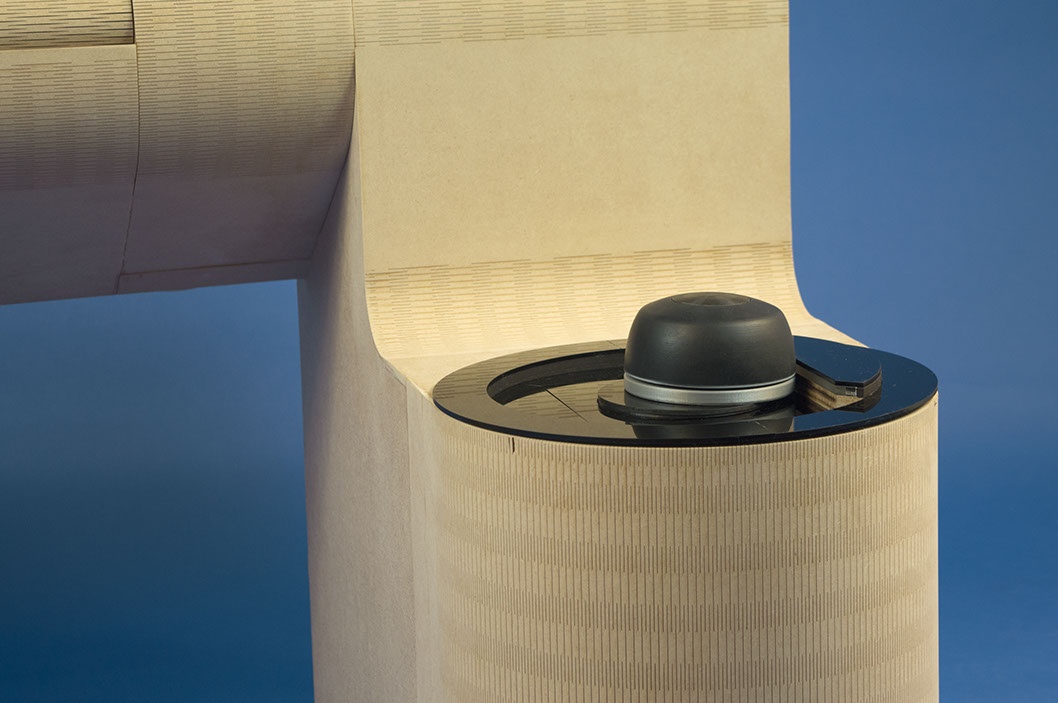
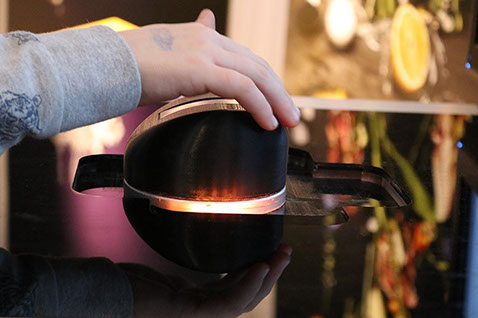
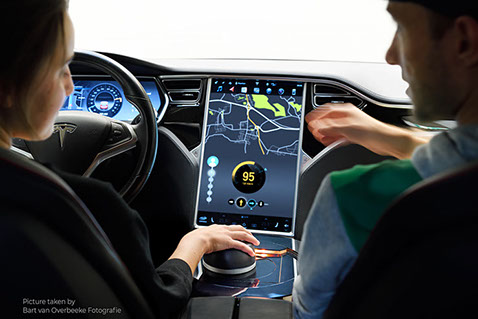
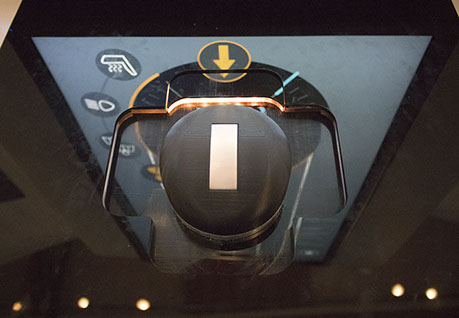
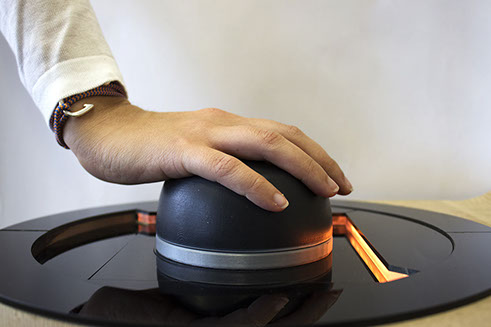
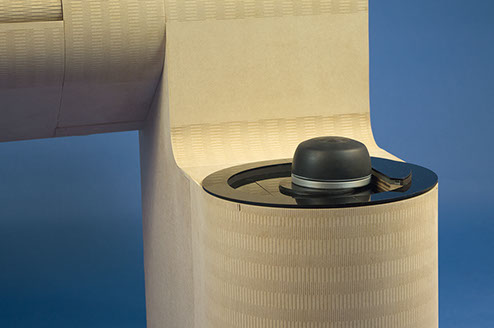
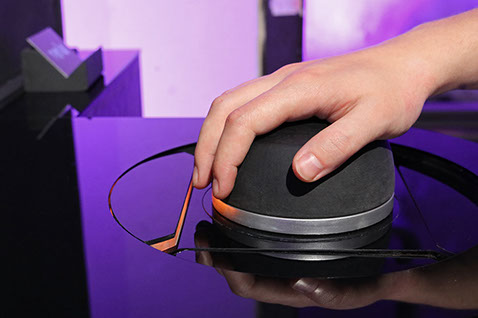
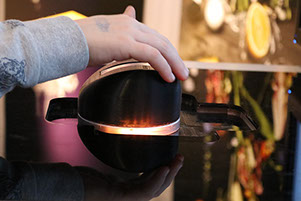
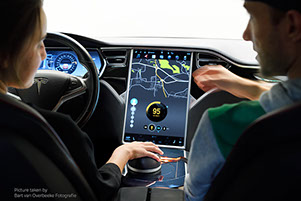
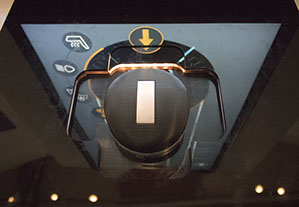
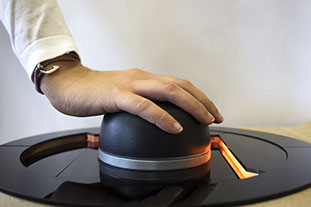
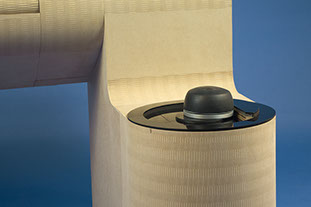
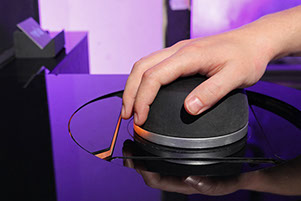
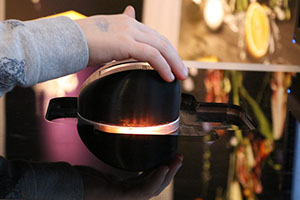
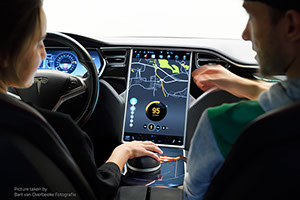
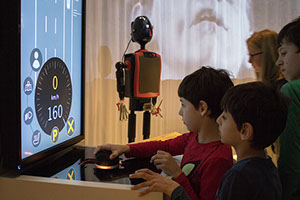
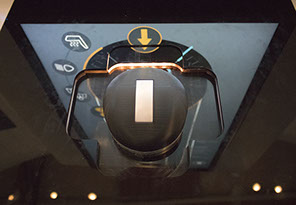
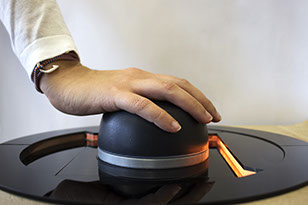
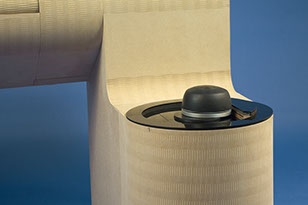
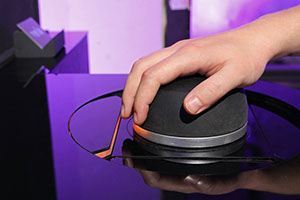
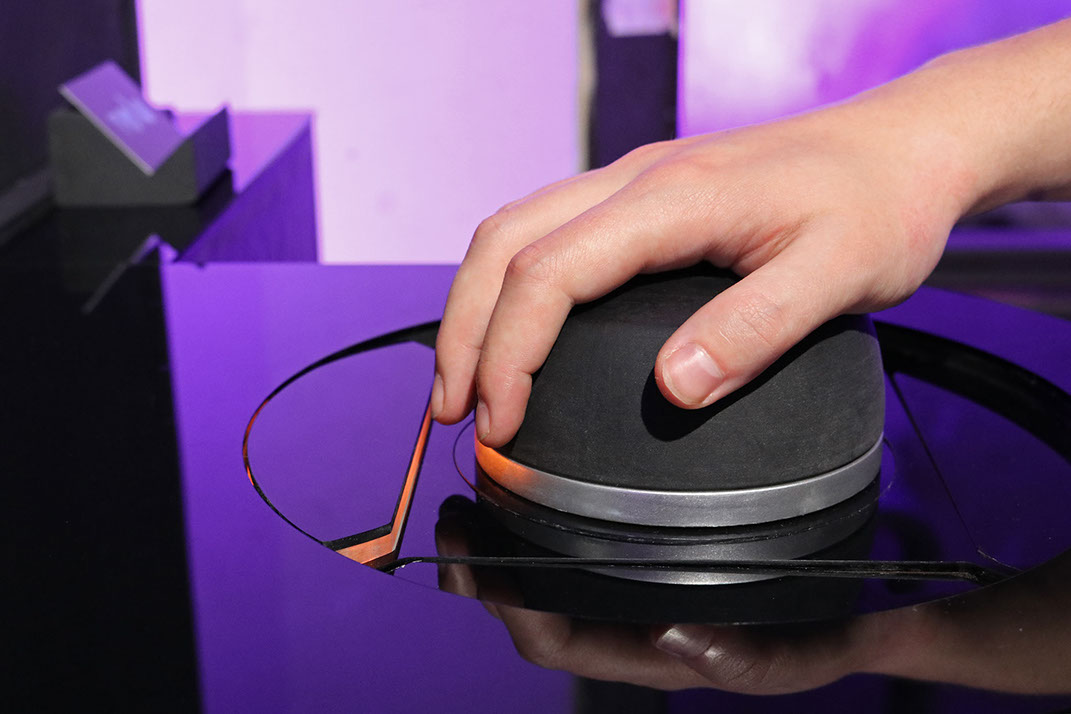
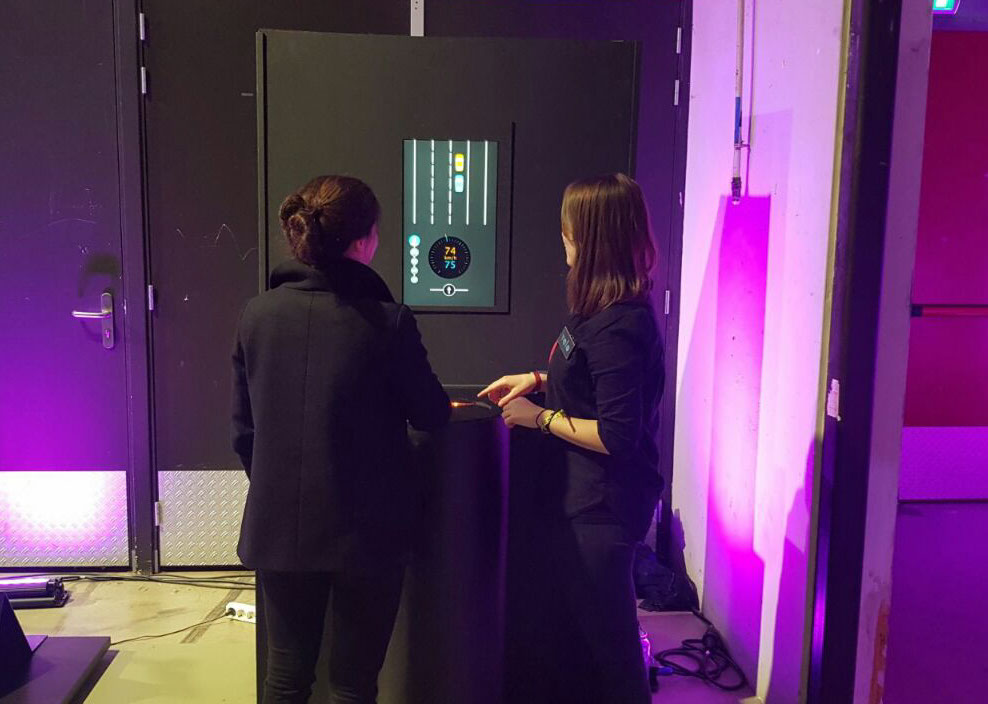
Against the background of current development towards the fully automation of vehicles, the role which the human plays is a question that gains importance. In which way can the drivers take part in the process of driving? How can they influence what will happen? Volo is a communication system that allows the passengers to communicate their wishes to the car through intuitive haptic interaction. By moving the knob they can give the car the suggestion of what to do next, which the system will execute as soon as possible. Simultaneously, the car keeps the passengers informed about the external obstacles.
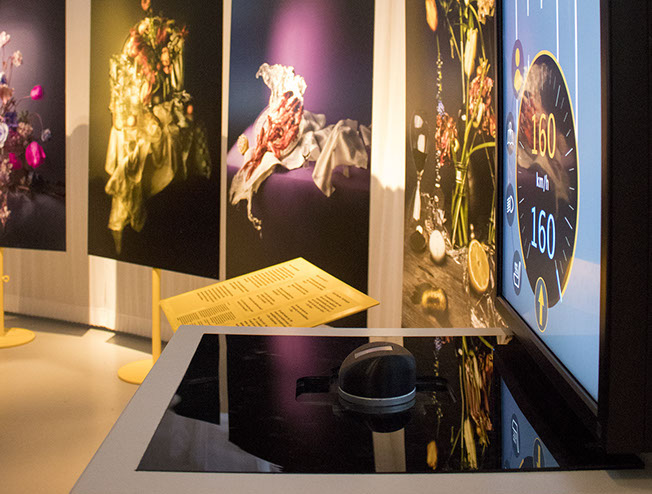
This project was developed as part of my pre-master. After being accepted for Dutch Design Week 2017, we developed the prototype further to meet the expectations of the one week long exhibition and its visitors. In the third iteration for the Museum TwentseWelle, de developed it further into a completely stand alone interactive prototype.
To read more about this development, check my report!
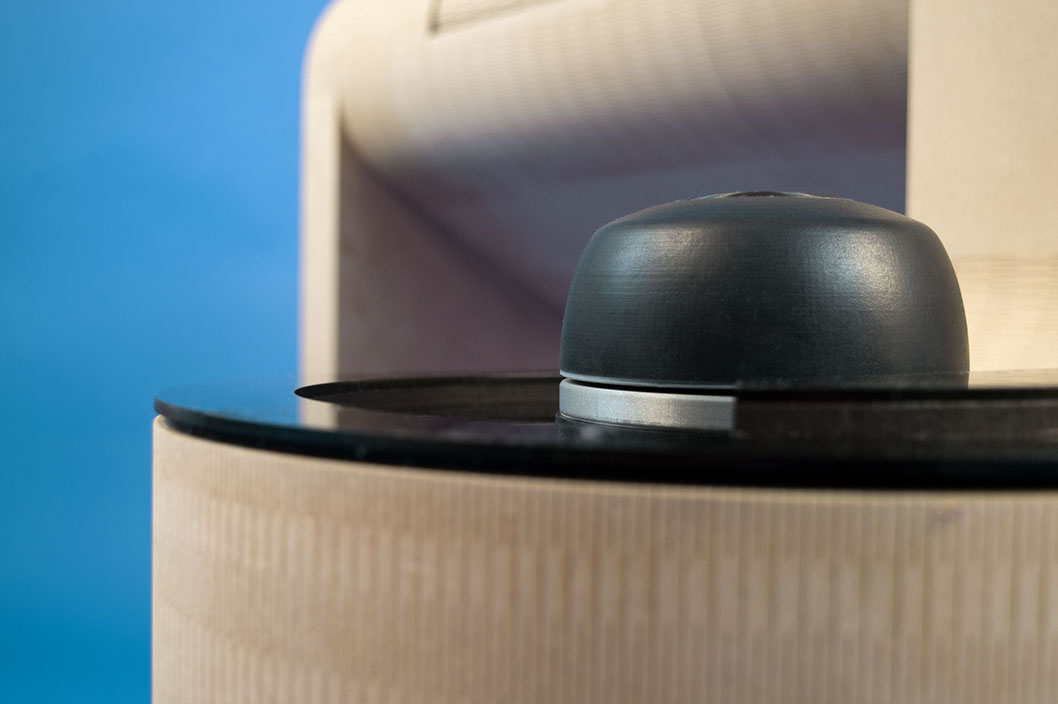
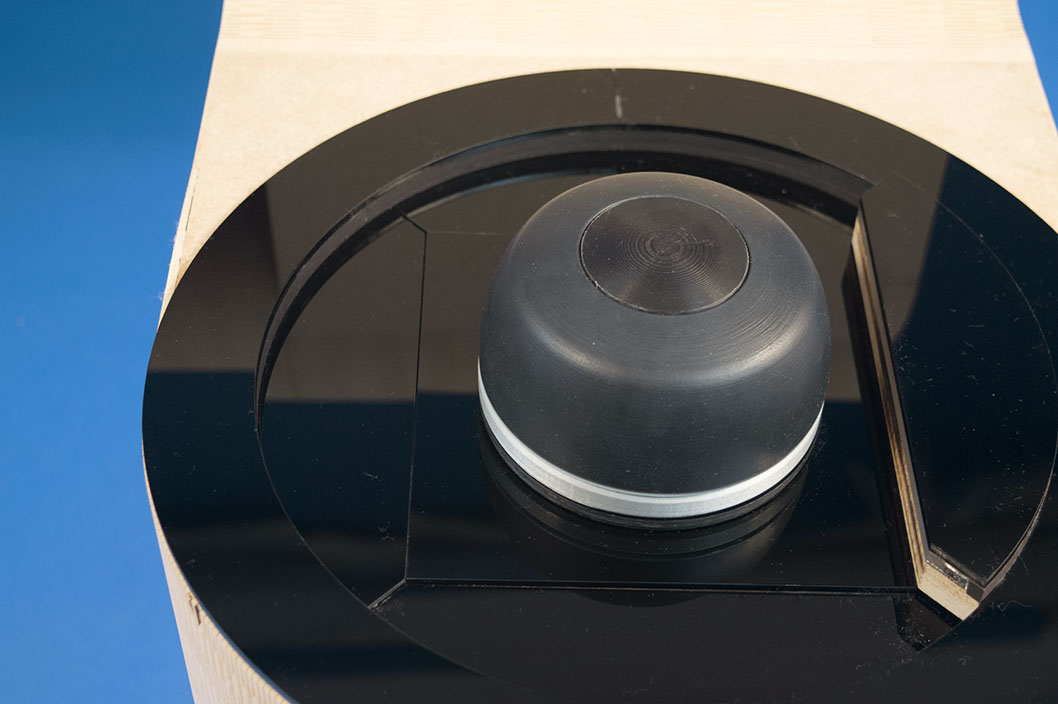
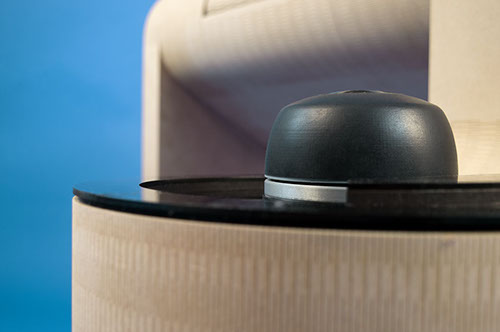
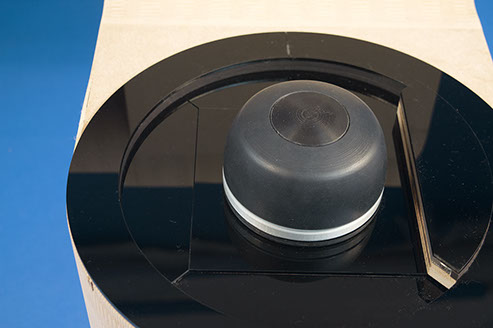
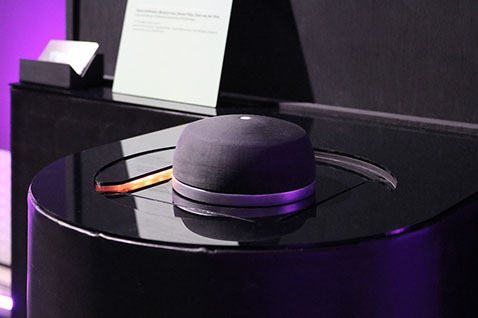
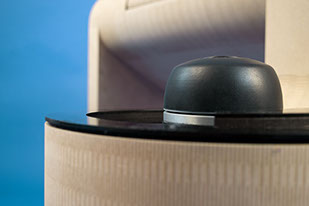
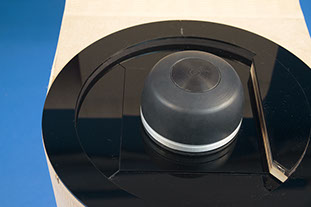
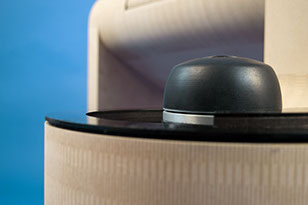
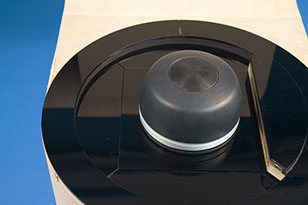
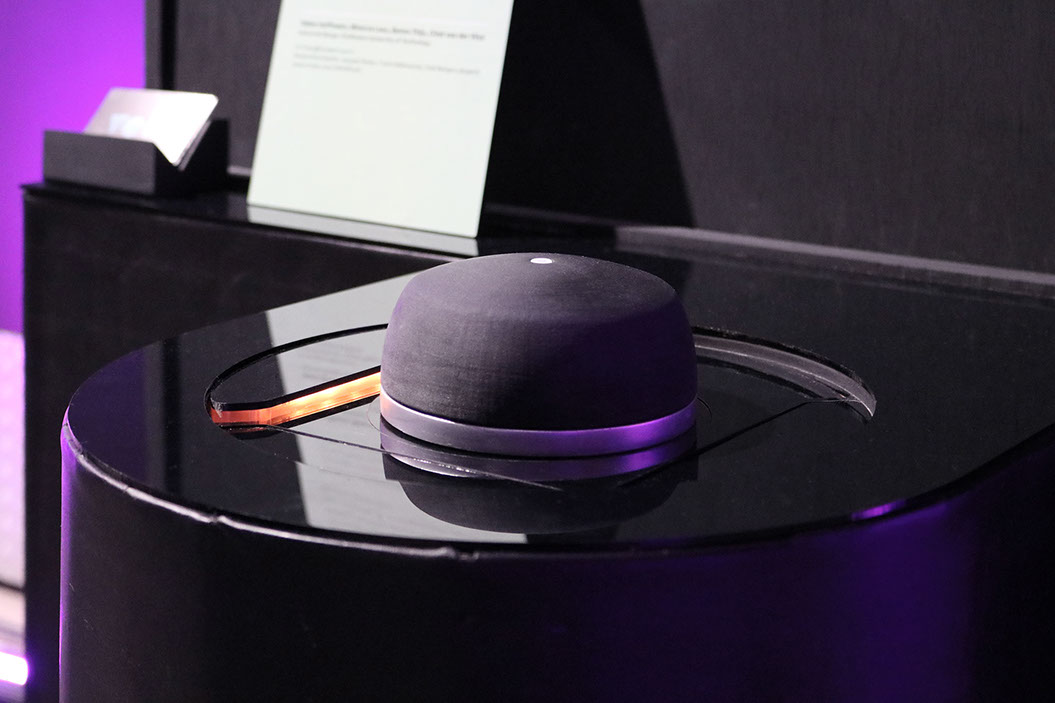
The surface, on which the knob can be moved, is divided into one static element and four parts that can move towards the knob. The moving surface parts represent external limitation and give physical as well as visual feedback about the current situation. When the passengers suggests an action, which is not possible at the moment – because of another car for example – the elevated surface will impede them from being able to move the knob in that direction. Thus, they will instantaneously feel the limitations of the current situation. Moreover, only a glance at the system can quickly provide information about the possibilities at that moment.
Only a glance at the system can quickly provide information about the possibilities at that moment. This is how the passengers will be included in the driving process even when they are not responsible for it any more, thus making a positive suggestions based interaction between the human and the car possible.
Development of volo
University project 2016
Dutch Design Week 2017
Museum TwentseWelle 2019
Dutch Design Week 2017
University project 2016